Fierce Pharma
Fierce Biotech
Fierce Healthcare
Fierce Life Sciences Events
Advertise
About Us
Providers
Hospitals
Practices
Retail
Health Tech
AI and Machine Learning
Digital Health
Telehealth
Payers
Regulatory
Finance
Special Reports
Fierce 50
Special Report
Awards Gala
Awards
DEI Awards
Innovation Awards
Resources
Webinars
Fierce Events
Industry Events
Podcasts
Survey
Whitepapers
Events
Subscribe
Subscribe
Providers
Hospitals
Practices
Retail
Health Tech
AI and Machine Learning
Digital Health
Telehealth
Payers
Regulatory
Finance
Special Reports
Fierce 50
Special Report
Awards Gala
Awards
DEI Awards
Innovation Awards
Resources
Webinars
Fierce Events
Industry Events
Podcasts
Survey
Whitepapers
Events
Subscribe
Fierce Pharma
Fierce Biotech
Fierce Healthcare
Fierce Life Sciences Events
Advertise
About Us
Payers
Employers, pharmacists cheer as Congress passes PBM reform
After years of conversation, legislators pushed key reforms to pharmacy benefit managers over the finish line, much to the chagrin of the industry.
Paige Minemyer
Feb 6, 2026 5:15pm
MultiCare pays $3.7M to settle unnecessary surgery allegations
Feb 6, 2026 4:00pm
Virtual diabetes prevention programs secure Medicare coverage
Feb 6, 2026 3:00pm
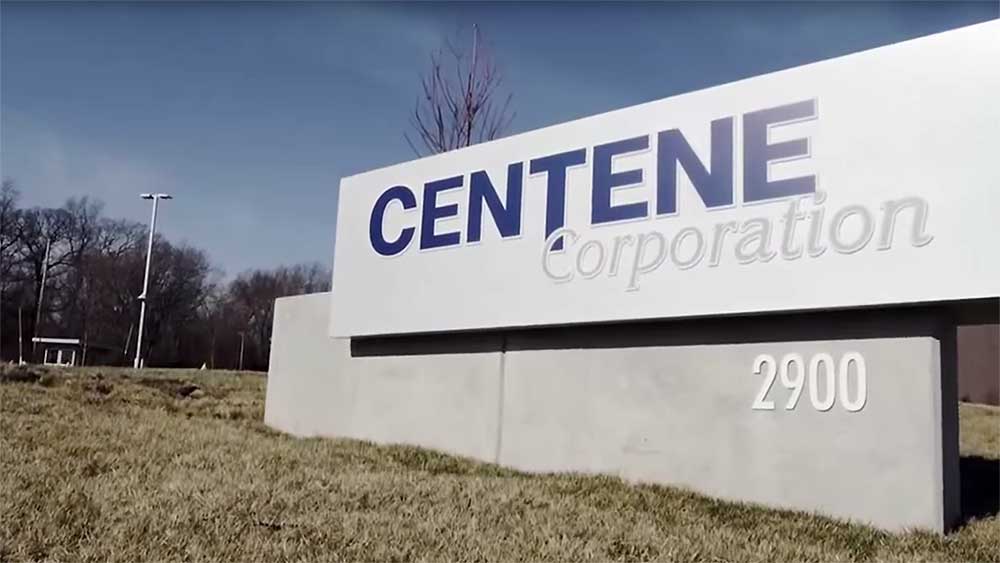
Centene putting focus on Medicaid improvements, CEO London says
Feb 6, 2026 12:30pm
Molina Healthcare's stocks fall as company plans exit from MA
Feb 6, 2026 11:19am
HHS agrees to toss 340B Rebate Model Pilot Program
Feb 6, 2026 11:00am
More News
Aetna rolls out new digital member onboarding experience
Feb 6, 2026 5:40am
Infinitus launches agentic AI support for health plans
Feb 5, 2026 2:30pm
Cordani: New PBM model aligns with reforms, FTC settlement
Feb 5, 2026 12:30pm
FTC, Express Scripts reach settlement in insulin pricing case
Feb 4, 2026 12:35pm